Unlocking the Frontline Edge: How AI is Powering Retail Innovation
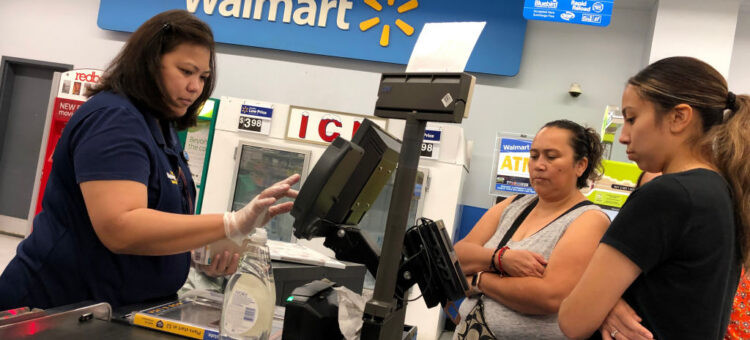

Artificial intelligence is transforming customer experience (CX) online, but what about CX in the physical world? Frontline employees play a direct role in customer experience for retail brands. So far, these workers are underserved by digital transformation initiatives that could improve CX and employee experience. While most AI solutions are designed for knowledge workers interacting with a screen, frontline employees need to engage face-to-face with customers. Stopping to look up information in a binder or on a screen interrupts those human interactions and often takes an uncomfortably long time.
Combining agentic AI with a simple headset can give frontline employees immediate, conversational access to the information they need to best serve each customer in the moment, similar to using a voice assistant but less obtrusive. Imagine walking into a big-box store in search of a small item. Instead of roaming the aisles, you ask an employee. They’re new and still unfamiliar with the store layout, but it’s not a problem. They repeat your question into their headset and immediately let you know the aisle and shelf where you can find what you’re looking for. By using AI agents as coworkers who can offer support and coaching in real time via headset throughout a worker’s shift, brands can empower their frontline staff to focus more effectively on engaging with customers and meeting their needs more efficiently.
Architecting Agentic AI for Frontline Employees
This kind of agentic AI-driven solution is designed to seamlessly integrate with existing systems across the technology stack in three key areas.
- Experience touchpoints are how employees engage with the frontline AI solution via voice headsets, apps, and chatbots to provide immediate and actionable information.
- Orchestration coordinates all the agents across discrete activities, such as searching for available inventory, accessing training materials, etc., for a cohesive experience.
- Intelligence accesses relevant data from different areas of the architecture. For example, a frontline retail AI system can pull data from the brand’s CRM, customer support data, product data, and more.
AI-Driven Frontline CX in Action
With that three-layer tech stack in place, employees can have access to multiple kinds of agentic support to make their jobs and customers’ interactions easier. Use cases include:
- Up-to-date customer service that closes the gap between marketing and training. When a customer comes into a store to ask about a new product they just saw in an ad, the frontline employee can ask a product agent and get accurate information to share with the customer at that moment. There’s no waiting, no phone calls or web searches, and no guessing involved. The customer gets the information they need, and the agent can support their follow-up questions, too — even if store employees haven’t yet received formal training about the new product.
- Real-time troubleshooting. Malfunctioning equipment at checkout, like receipt printers and produce scales, can create bottlenecks and customer frustration. With an equipment agent in the headset, cashiers can get step-by-step instructions to troubleshoot and fix basic problems without having to call over another employee or send customers to another line.
- Accelerated onboarding, training, and performance. Working in a customer-facing role without comprehensive training and always-on support can feel like being thrown into the deep end of a pool. AI-delivered guidance and feedback can help these new employees get up to speed faster and perform at the level of more experienced employees sooner.
The ROI of Frontline AI
In any industry with customer-facing roles, there’s potential for relatively fast return on investment on agentic AI initiatives for frontline employees, including savings related to equipment troubleshooting, shorter new-employee training periods, lower staff churn rates, and shorter training periods. All these improvements contribute to better customer experiences. Less broken equipment means fewer delays in providing service. Lower staff turnover and more precisely timed training and support allow employees to provide more efficient and engaged service, raising the standard for employee performance and customer satisfaction.
Planning a Frontline Retail AI Initiative
Building an effective AI program for frontline staff starts with strategic thinking: Why does your brand need this agentic AI solution? How will it create value that aligns with business objectives? For example, will your specific AI plan drive top-line revenue growth by helping employees support new products and services or upsell premium features? Will your plan reduce operational expenses? Stakeholder discussions that focus on these and similar questions will help your organization identify the best use case to start with, as well as the appropriate way to measure its performance.
After these questions are answered and your initial goals are set, it’s wise to start with a small pilot program so you can test and iterate while your IT team, your frontline employees, and your agentic AI models learn and refine their actions. The primary goal, aside from your ROI key performance indicators, is to free your frontline teams to focus on their interactions with customers. When your employees feel confident that they have the resources they need to do their job, customers recognize that and appreciate it. Unlocking that positive connection between your brand, your employees, and your customers is the long-term power of frontline AI.
Nicholas Kim is the global head of human-centered AI at frog, part of Capgemini Invent.
- Categories:
- Artificial Intelligence (AI)
- Store Associates
Nicholas Kim is the global head of human-centered AI at frog, part of Capgemini Invent. As a leader in human-centered AI, Nicholas blends data, design, and strategy to help global organizations build smarter, people-focused platforms. Nicholas is also experienced in guiding Fortune 100 brands through digital transformation.