Waiting to Act on Evolving Shopper Behavior is a Mistake No One Should Make Again

Back in 2020, when COVID hit, a lot of companies hit pause. Research was shelved, campaigns went quiet, and budgets froze while teams waited to see how things would shake out. But by the time they realized consumer behavior had already changed, it was too late — they were months behind.
Now, with tariffs driving a new wave of uncertainty, it feels like déjà vu. Once again, we’re seeing brands and retailers step back and wait. The COVID-19 crisis was unprecedented, but the lesson it taught us is not: you can’t afford to disconnect from your customers when uncertainty rises. If anything, that’s when you need to listen more closely than ever.
Same Weather, Different Storm
New research from our Trade Winds study shows that today’s shoppers are feeling the strain. Seventy-three percent of Americans report feeling negatively about the economy. Grocery bills are up for nearly three-quarters of households, and 90 percent of consumers have changed their shopping habits. But while COVID drove anxiety, today’s mood is edging toward frustration and fatigue.
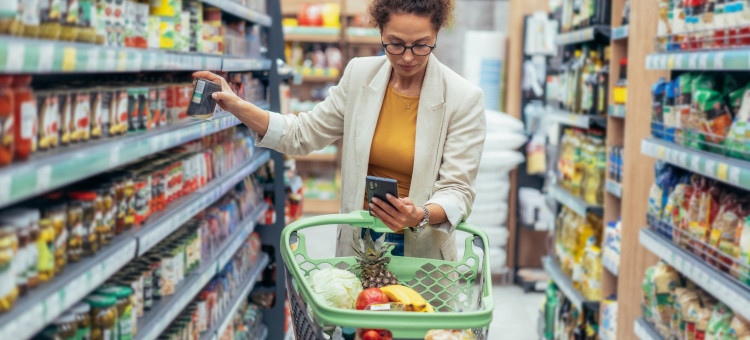
Instead of panic-buying toilet paper or baking sourdough at home, today’s shoppers are skipping snacks, clipping digital coupons, and stretching their dollars across club stores and discount channels. Some are shopping around more. Others are quietly cutting back on essentials like meat, eggs, and produce.
And yet, despite all this movement, only 7 percent of consumers have switched their primary grocery store. Loyalty still exists, but it’s fragile. Price, value, and trust are the new battlegrounds.
Why We Can’t Afford Another Insight Lag
During the pandemic, many insight teams paused research only to realize, too late, that the world had changed without them. It wasn’t until consumer behaviors had shifted dramatically, toward things like home cooking, grocery delivery, online shopping and contactless payments, that marketers started racing to catch up.
We risk repeating that mistake today. Some shoppers are stocking up to brace for future price hikes, while others are delaying or forgoing purchases altogether. Our data shows that a third of Americans are using multiple grocery stores more often. Nearly half are shopping at dollar stores more frequently.
People are adapting to what’s going on in the world around them and brands need to keep up in real time. Otherwise, small signals, like an uptick in bulk buying or a decline in organic sales, become full-blown trend lines before anyone’s ready.
Channels Are the Story Now
COVID changed what people bought; tariffs are changing where they buy. Grocery shoppers are doubling down on club stores, dollar chains, and multi-store shopping in search of better deals. Even premium and natural brands are feeling the squeeze. But as one client recently told us, this could be an opportunity for “cheap premium” products (brands that offer better quality without the boutique price tag) to gain ground as higher-end options become unaffordable.
It’s a channel-level story as much as a category-level one. If you’re not tracking these shifts, you’re missing key signals about how purchase intent is being reshaped by wallet pressure.
What Brands and Retailers Can Do Right Now
-
Keep your research running. Don't hit pause. Tariffs, like pandemics, are macro shifts that play out in highly personal ways. If you wait to see the full picture, you’ll already be behind.
-
Listen to emotions, not just actions. The data shows a shift from anxiety to frustration. That change matters. A frustrated shopper behaves differently than an anxious one. They’re more decisive, more critical, and more likely to cut your brand if it’s not delivering.
-
Track the trade-offs. Shoppers are spending less and they’re spending smarter. They’re cutting snacks to afford protein and skipping dining out to stretch the grocery budget. Understanding what gets deprioritized, and what doesn’t, can help you position your brand as essential.
-
Don’t overlook channel strategy. Loyalty programs, stock availability, and in-store experience matter more than ever. If shoppers are going to more stores to make ends meet, you need to understand where you fit in that rotation.
-
Revisit your value story. Now is the time to reinforce why your product is worth it. Whether that’s through bundle offers, loyalty incentives, or packaging size changes, don’t leave “value” up to interpretation.
Final Thoughts: You Can’t Steer From the Rearview
We’re in a different kind of disruption than we faced in 2020, but it’s disruption all the same. Consumer habits are shifting, while expectations continue to rise. Brands can’t afford to delay deep understanding of their audiences. COVID taught us that in a crisis, the companies that keep listening are the ones that come out ahead. That’s a lesson no one wants to learn twice.
Jonathan Dore is an executive vice president of Reach3 Insights, an innovative marketing research consultancy focused on insight gathering through conversational approaches and communities.
- Categories:
- CRM
Jonathan Dore is an executive vice president of Reach3 Insights, an innovative marketing research consultancy focused on insight gathering through conversational approaches and communities. Jon runs the Reach3 Chicago BU and is responsible for bringing the company’s unique methodologies and advanced technologies to organizations across the consumer goods and services industries.