The Power of Gathering: Why Shared Experiences Are the New Growth Engine for Local Business

For years, streaming was a solitary experience. We curled up on the couch, binged shows on our own schedules, and shared quick reactions in group chats or on social media. Entertainment became something deeply personal, curated to our individual routines rather than tied to communal schedules.
But something has shifted. People are gathering again. Watch parties, whether for buzzy series finales like "The Summer I Turned Pretty" or major sporting events, are back in full swing like it’s the 1990s again and everyone is tuned in for the "Seinfeld" finale. The watch party has become mainstream again, and it's changing the way we experience entertainment, community, and even commerce.
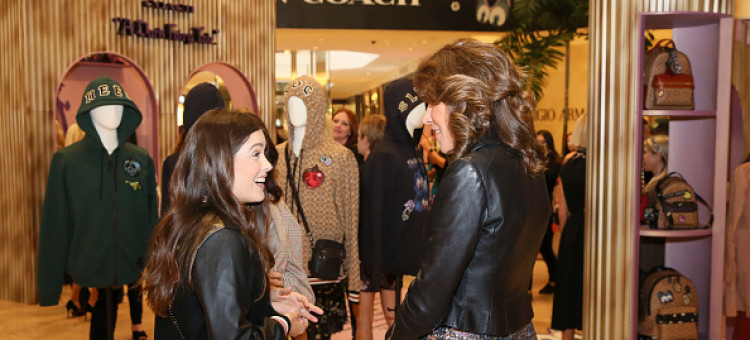
Pop-ups are part of this same movement. These temporary spaces are no longer seen as simple retail stalls or stopgap solutions. Instead, they've evolved into immersive experiences, ranging from curated seasonal markets and creative brand activations to cafés hosting limited-time menu drops or local boutiques showcasing exclusive product lines. Just like watch parties, pop-ups succeed because they tap into something universal: a collective desire to come together, connect, and feel like we're part of something larger than ourselves.
The business impact is clear. Take Tom’s Watch Bar, which hosted a "Love Island" watch party this past summer. On what might otherwise have been a slow evening, the event created a nearly 900 percent spike in sales, bringing in close to $30,000 in a single night. That kind of result illustrates the powerful economic potential of shared experiences. On the retail side, pop-ups have been driving similar results. From sneaker releases that spark lines wrapping around the block to artisanal food brands using markets as a launchpad for lasting customer relationships, these events are proving to be more than a passing trend. They're a model for building brand awareness, generating excitement on social media, and cultivating loyalty among entirely new audiences.
For independent business owners, this trend represents an opportunity built on one simple truth: community drives growth. Shared experiences don’t just boost sales in the moment, they build relationships that last. A memorable night of cheering for a favorite team or the thrill of discovering a new product at a pop-up creates an emotional connection that traditional advertising or online shopping simply cannot replicate.
Technology plays a crucial supporting role in these moments as well., Whether it's managing a sudden surge in orders at a watch party, processing mobile payments at a crowded pop-up, or tracking which products sold fastest, the right tools help small businesses plan smarter and focus on the customer experience. Loyalty programs, for example, can extend the life of a single event by keeping guests engaged long after the night ends, turning first-time attendees into repeat regulars.
Consider how this plays out in practice. A café that screens a highly anticipated season finale is not only selling food and drinks, but also offering a night of belonging, laughter and conversation. A boutique that organizes a pop-up for a limited-edition drop is not just moving product, it's creating a sense of discovery and exclusivity that customers will remember. Technology can make these moments easier to organize and execute, but the heart of it is timeless: people want to gather.
This is why the phrase “The Power of Gathering” is more than a slogan. It captures the reality that in today’s retail and hospitality landscape, shared experiences are what create value. Businesses that lean into watch parties, pop-ups, and other forms of communal gathering are not merely chasing the latest trend. They're investing in relationships, in belonging, and in culture. Those investments are what will keep customers coming back long after the credits roll or the pop-up closes.
The opportunity is wide open for independent business owners willing to innovate. Watch parties and pop-ups prove that even in a world where digital convenience dominates, there's a hunger for physical, shared moments. Businesses that recognize this, and equip themselves with the right tools to deliver on it, will not only thrive in the present but also secure their relevance in the future.
In the end, it's not just about drinks poured or products sold. It's about creating the kinds of memories that people want to repeat and share with others. The future of local business will be written by those who understand that the most valuable transactions happen not only at the register, but also in the relationships built around a shared table, a big screen, or a pop-up storefront filled with excitement.
Michael Ganci is managing director, NOAM Retail – Lightspeed Commerce, an all-in-one POS system.
Michael Ganci, MD, NOAM Retail – Lightspeed Commerce
Michael Ganci is our MD, NOAM Retail. In this role, Mike is directly responsible for leading the development and execution of the NOAM Retail GTM strategy, driving growth of our Omni, Golf and B2B businesses and partnering with P&T to deliver on the vision of Supplier Network to unlock sustainable growth for NOAM Retail and Lightspeed.
Prior to this, he was Senior Vice President B2B GTM of NuORDER by Lightspeed where his expertise in enterprise software solutions and ecommerce has proved invaluable to the development and growth of NuORDER retail and brand customers.
Ganci brings over 30 years of experience building, scaling and leading high performance global sales, client success, professional services, and management consulting organizations serving enterprise companies across all industries to the NuORDER by Lightspeed team. He has held previous leadership roles at pymetrics, LivePerson, Pitney Bowes, Borderfree Inc., eBay Enterprise and IBM.