



Social Campaigns Alone Won’t Win Over Gen Z. Here’s What Will
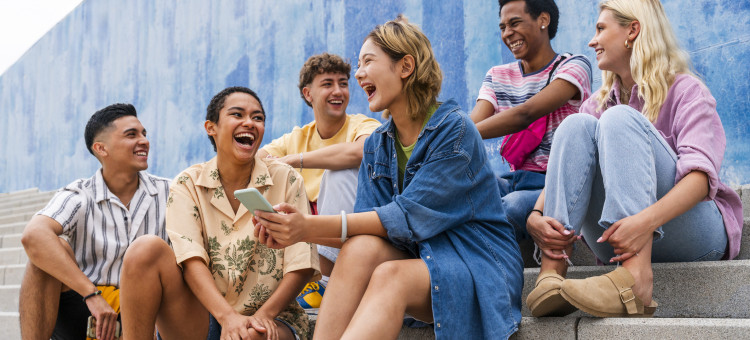

During periods of economic uncertainty, Gen Z is the most inflation-sensitive — and the most digitally savvy — generation. While they may be buying less today, when they do spend it’s most likely through social channels, making brand-building now essential. However, reaching Gen Z in 2026 requires more than showing up on social. This audience buys into a brand’s values as much as its products, with 65 percent preferring companies that communicate a clear moral stance. Authenticity isn’t optional; it’s the cost of entry. Winning Gen Z demands a holistic, values-driven approach that spans channels, embraces transparency, and meets them where they already consume media, from mobile to connected TV, with consistently authentic communication.
Gen Z Lives Mobile-First, So Your 2026 Strategy Should Too
Gen Z’s digital life revolves around mobile. It’s their hub for entertainment, shopping, and daily life. And the top-performing retailers in 2025 all had one thing in common: mobile-native execution. This means fast-loading ads, vertical videos, mobile-first landing pages, and authentic user-generated content.
Mobile remains Gen Z’s primary discovery channel, but discovery alone won’t drive success in 2026. This generation expects personalized engagement across the buying journey — e.g., interactive polls, shoppable videos, and adaptive, value-driven messaging. Mobile isn’t just a channel; it’s the nexus of Gen Z’s entire consumer experience.
CTV is Becoming Social Media 2.0 for Gen Z
Connected TV continues to be one of the most effective and underestimated channels Gen Z streams more than any other generation and treats CTV like an extension of social media: watching both curated content and short-form entertainment. Brands that use CTV not just for broad awareness but for targeted, data-driven campaigns can create impact far beyond what social alone can achieve. The combination of mobile (for immediacy) and CTV (for emotional resonance) is especially powerful for reaching Gen Z shoppers.
Authenticity Matters More Than Companies Think
Gen Z is the most inflation sensitive generation; they scrutinize every purchase. Trust matters, and it’s more than a mission statement. If retailers want to win Gen Z’s loyalty, their messaging must demonstrate clear and consistent values that reflect real people and experiences. Advertisements must reflect honesty about pricing, product sourcing, and sustainability. Inauthenticity drives instant disengagement; authenticity builds loyalty.
They Buy the Message Before the Product
Retailers that win Gen Z loyalty understand that purchase journeys start with alignment, then the advertising and purchasing follows. Before Gen Z buys, they ask: Does this brand represent something I believe in? Is it transparent and accountable? Does this brand add real value to my life, not just noise to my feed? Social media helps reinforce these answers, however, it can’t be the only tool in the toolbox. The winning approach is integrated: mobile-first creative, CTV for depth, and social for community and conversation.
Smartphones Are a Retail Channel
When it comes time for retailers to advertise to Gen Z, it’s all about the smartphone. In 2025, 21 percent of shoppers purchased holiday gifts directly on social media, up from 12 percent in 2024. Because mobile commerce is growing steadily each year, if advertising campaigns aren’t optimized for mobile, it’s time to pivot and update your website and creatives to be at least mobile friendly.
The Final Word
In 2026, success with Gen Z consumers will require more than eye-catching creative ads or trendy campaigns. It demands a deeper understanding of who they are: digital natives, value-driven shoppers, and highly discerning consumers who want brands to stand for something and prove what they stand for. Brands that embrace honesty, lead with purpose, and meet Gen Z across the channels they use most will not only capture their attention, but earn the one thing no ad can buy: their loyalty.
Noah Everist is vice president of digital sales development at Brkthru, a leading digital media solutions provider to mid-market agencies and brands.
Noah Everist is vice president of digital sales development at Brkthru. He has bought and sold most media and built out a trading desk in the early years of digital. He lives in Edina, MN, with his spouse of many years. He has extensive media experience across many verticals, including retail, having provided media strategy to both big-box stores and e-commerce sites.


