Where Retailers Will Win the Next Impulse Purchase War
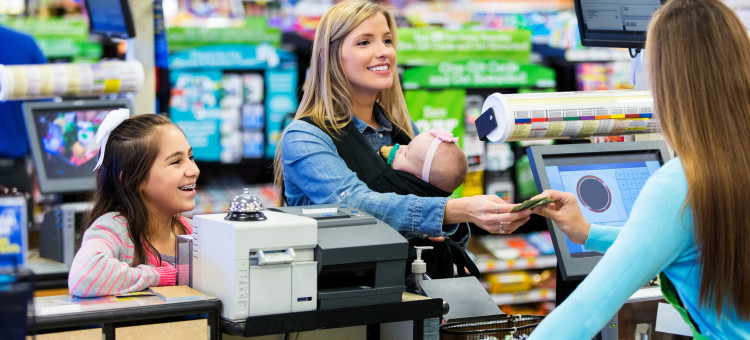

Impulse purchases used to be inescapable for consumers. You would spend the afternoon combing through every aisle of the store for the best deals, then head to the register to be met with a glorious suite of candy bars, lip balm, gum, air fresheners, and other little unplanned items too tempting to pass up.
It was a delightful win-win — shoppers would get a little treat, and retailers were able to increase the purchase total. Voila!
This foundation of the impulse aisle was built on people doing their shopping in person.
But from 2022 to 2023, impulse buying declined 51.9 percent and early data for 2025 Black Friday revealed an average decrease of 5.3 percent year-over-year for in-store foot traffic across Black Friday and Saturday.
It would be tempting to say that the category is simply suffering from the rise of e-commerce. Yes, e-commerce has experienced consistent growth quarter over quarter. However, that's not the only problem facing brick-and-mortar retail stores:
- Self-checkout has expanded, reducing the time shoppers spend waiting and browsing at traditional checkouts while a cashier scans items.
- Over half of U.S. consumers say they're making fewer impulse purchases in-store because of increased prices.
- The rise of the smartphone has allowed people who used to spend their idle time browsing impulse items to now spend it on their phones.
Back in the day, if consumers had five idle minutes, no phone, and a cheeky $2 in their pocket, chances were pretty high that a little treat would end up added to their cart. But today, that picture looks quite different.
For brands built on impulse, the future will have to look a little different. Here’s what retailers and brands must do to win the next impulse purchase war.
From Aisle to Everywhere
Retailers and brands alike need to make impulse happen in other parts of the store, where consumers have more attention. Previously these products were limited to the impulse aisle, but in today’s world you need to manufacture the impulse.
Exploring merchandising real estate in high-traffic zones like endcaps, eye-level shelving, or near complementary products may help encourage impulse behavior in in-store locations where shoppers still have their eyes up and their attention open.
Crack the Digital Impulse Code
Brands will need to rethink their digital impulse strategy. Nobody has quite cracked this yet, and the time has now passed to keep kicking that can down the road. For brands that thrived in the impulse section of stores, it's time to invest heavily in how you show up online.
E-commerce is going to continue to rise in popularity. To survive, companies will need to rethink what an impulse purchase looks like in a digital setting. It isn’t just e-commerce that will see a continued rise in the coming years but also social commerce.
TikTok Shop is already massively popular with around 475,000 TikTok shops in the U.S. and nearly 58 percent of TikTok users making purchases directly through the app. Social commerce is the next frontier to conquer. Impulse buying isn’t going away; it might just be happening on your social channels more than in store aisles.
Build Loyalty, Not One-Time Purchases
Brands need to think in terms of forms and placement that encourage consistent loyalty rather than one-off impulse.
This might mean new packaging that drives in-home impulse rather than in-store impulse: think multi-packs perfect for the drive-by pantry snack.
Or it might mean moving to formats or propositions that command more premium price points and place items further back in the aisle — think gum in bottles or bags rather than blister packs.
Create Impulse Occasions in Today’s ‘Dwell Moments’
Rather than rely on the idle time in checkout lanes, establish a new presence in today’s moments of waiting or transition.
This could mean partnerships with transportation services or hubs; hand lotion in every Uber, placements in office lobbies or elevators, or even packaging that fits into phone accessory displays — hello Rhode!.
Marketers should identify new "dwell points" where people pause in order to spark natural moments of engagement.
Kate Fairweather is the co-founder of Electric Innovation, a next-gen strategy, innovation and design consultancy.
Kate Fairweather is head of consumer strategy and a founding partner at Electric Innovation, where she fuses her passion for human behavior with storytelling to uncover nuanced consumer insights and transform them into breakthrough commercial ideas. With prior leadership roles at frog and Fahrenheit 212-- Kate shapes growth and innovation strategies for brands like Toblerone, Estée Lauder, Chipotle, L’Oréal, and Molson Coors. Kate brings deep experience in guiding powerful, consumer-driven innovation.