The Store-in-Store Surge and What Retailers Must Get Right
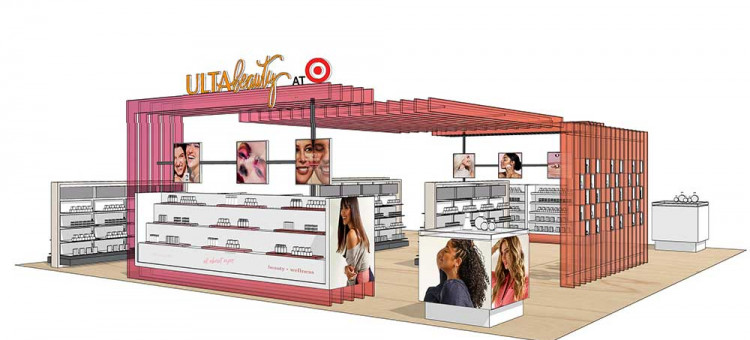

When Kohl’s brought Sephora into its stores it signaled more than just a cosmetic expansion. It highlighted a growing strategy in retail real estate: the store-in-store model. Store-in-store partnerships are redefining how retailers think about space, remodeling, and long-term planning. The model isn't new, but its rapid rise reflects changing market forces and the need for formats that are more flexible, cost effective, and experience-driven while also integrating seamlessly into omnichannel strategies and digital-first customer journeys.
What's Driving the Shift
Multiple macro trends have merged to make store-in-store partnerships a strategic business option. The combination of economic strain and disappearing anchor stores has resulted in available retail space. Retailers can earn revenue by partnering with other brands which use their existing customer base without requiring major investments or risks.
Changing consumer preferences are also a factor. Shoppers are looking for convenience and variety, often wanting to complete multiple purchases in one trip. By curating multibrand environments, retailers can extend visit times, increase basket size, and create experiences that encourage repeat visits. For online-first brands, these collaborations provide a way to build credibility, connect with customers in person, and offer hands-on product experiences that complement their e-commerce offerings and support buy online, pick up in-store (BOPIS) and returns.
The Value Beyond the Lease
The financial upside is clear: Hosts increase their revenue through leasing opportunities and simultaneously boost sales per square foot by converting underperforming areas into active shopping spaces. The physical retail experimentation capability provided to partner brands allows them to benefit from additional brands that reinforce their brand image.
The benefits aren't just monetary. Co-branded environments transform the appearance of host retailers by bringing in fresh demographics while enabling joint marketing initiatives and loyalty rewards programs that can be integrated across brands to capture richer customer data and personalize future offers. The execution of a well-planned partnership produces a unified shopping experience where customers perceive both brands as working together to fulfill their requirements.
The Operational Reality
Behind the appeal lies a set of challenges that can complicate execution. Lease agreements can be complex, particularly when co-tenancy clauses or exclusivity rules limit which brands can be hosted. Physical layouts may need reconfiguration, custom fixtures, or lighting to meet both brands’ standards. Inventory systems, point-of-sale platforms, and loyalty programs often need integration to prevent data silos and operational bottlenecks.
Retailers also must address cultural and operational alignment. Differing staff training standards, return policies, or customer service protocols can erode the customer experience. Without consistent coordination, even the strongest brand partnerships risk underperforming.
Technology plays a central role in overcoming these challenges. Unified POS and inventory systems, mobile tools for store associates, and shared analytics dashboards help maintain operational visibility while also enabling cross-brand promotions, real-time stock checks, and omnichannel fulfillment options.
Planning for the Long Term
Companies should evaluate store-in-store deals based on their potential for future expansion. The ability to modify store designs makes it simpler to grow partnerships according to their development. Standard operating procedures combined with joint business review sessions enable both partners to monitor performance metrics and make fast adjustments. The first step in a new strategy should involve testing at a pilot location to detect operational problems before expanding to the entire market.
Flexibility is key. Modular store formats, scalable tech platforms and clear governance frameworks allow retailers to swap or expand partners quickly as consumer preferences and market dynamics change.
The store-in-store model will remain a permanent element of retail strategies in the foreseeable future. Retailers will introduce more flexible designs alongside automated checkouts and experiential zones — from beauty consultations and product demos to community events and workshops. Data sharing and co-marketing will become more sophisticated, and sustainability considerations will influence brand pairings.
The correct blend between brands and space execution in the partnership between Kohl’s and Sephora and Apple in Best Buy transforms the shopping experience inside stores. Retailers have a business opportunity, yet success demands detailed planning from the get-go. Businesses that build suitable infrastructure together with operational alignment will achieve the most success from their partnerships as long-term growth drivers.
Dave Harrington is global retail solutions architect at Accruent, a leading provider of solutions to unify the built environment.
- Categories:
- Retail Stores
- Store Design
Dave Harrington is the global retail solutions architect at Accruent, where he helps leading retailers modernize their operations and unlock greater value from their physical assets. With over 10 years at Accruent and deep expertise in retail technology and facility management, Dave partners with organizations worldwide to design solutions that improve efficiency, optimize store performance, and enhance customer experiences.