



Sitting on the Sidelines Isn't a Business Strategy; In Fact, it’s Ruining Your Brand
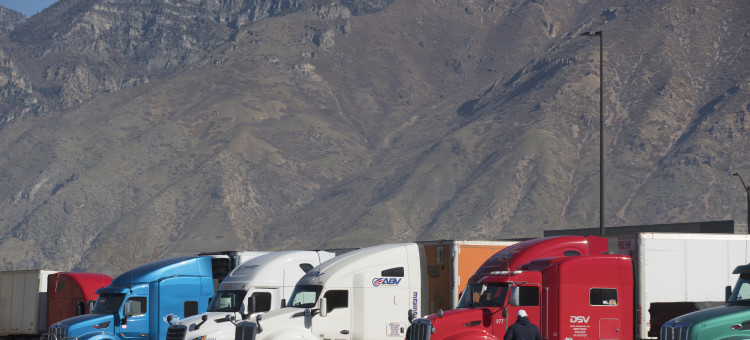

In today's unpredictable global economy, retailers of all sizes, from big-box chains to regional grocers, are now taking a pervasive "wait and see" business approach. Economic slowdowns, persistent inflation, and tariff changes have understandably led many retail executives and operations leaders to hit the brakes on significant capital investments.
However, for retailers operating transportation fleets, this hesitation comes with a steep, often invisible, cost: a "hesitation tax" that silently erodes profitability, compromises safety, and undermines a retailer’s distinct, competitive advantage. For retail, this includes risking slower replenishment cycles, missed delivery windows, and reduced customer satisfaction. While the immediate focus may be on navigating broader corporate challenges, the imperative to move products efficiently and fiscally responsibly demands that fleet modernization rises to the top of the strategic agenda.
The stark reality is this: failing to act now on upgrading aging equipment and trucks will inevitably cost more in the long run.
The Invisible Burden: Unpacking the 'Hesitation Tax'
The idea of a "hesitation tax" is simple yet profound. It represents the compounding financial penalties incurred by delaying essential truck upgrades. An aging delivery fleet presents a looming crisis of escalating operational expenses. Maintenance costs surge dramatically as vehicles age, with proven analyses indicating that older vehicles are significantly more expensive to operate.
Moreover, today’s economic tides are constantly shifting. While the global economy in 2024 showed significant growth, trade tensions have persisted in 2025. "Trade War 2.0" remains a concern, with major economies implementing or considering protectionist measures.
These geopolitical factors directly impact the cost of new equipment.
Tariffs on imported steel, aluminum, and critical components add thousands of dollars to the price of a new truck, and these increases are often passed down the supply chain. For retail supply chains, those higher vehicle costs can directly impact shelf availability and the speed of replenishment. By hesitating and sitting on the sidelines, retailers are essentially guaranteeing that their future capital outlay for new trucks will be higher. The "wait and see" approach risks paying more tomorrow for what could be ordered at a better price today and delivered sooner.
Beyond Compliance: Safety as a Strategic Imperative
Beyond the immediate financial drain, an aging fleet poses significant safety risks. Modern heavy-duty trucks are not just about hauling cargo; they're sophisticated machines equipped with advanced safety technologies that fundamentally reshape fleet operations. Features like predictive cruise control, adaptive braking, and automatic tire inflation systems are no longer luxury add-ons but essential tools for accident prevention. For retail distribution, preventing accidents also protects merchandise and helps avoid costly claims from damaged goods.
Predictive cruise control, for example, uses GPS and mapping data to optimize speed based on topography, reducing sudden acceleration and braking, which in turn significantly improves fuel mileage. Adaptive braking systems automatically adjust stopping power and maintain safe distances, drastically reducing the likelihood and severity of collisions.
Advanced driver assistance systems (ADAS) offer a powerful dual benefit: they enhance safety by mitigating human error and simultaneously drive down operational costs. ADAS can reduce collisions by a significant margin, with some reporting a 47 percent reduction since widespread adoption. Furthermore, adaptive cruise control and predictive gear shifting optimize vehicle performance and fuel consumption, leading to improved fleet fuel efficiency and reduced emissions.
Investing in these technologies isn't just about compliance; it’s about creating a safer working environment for drivers, protecting valuable cargo, and safeguarding the retailer's reputation, all while securing a powerful return on investment through reduced accident costs, lower insurance premiums, and substantial fuel savings.
Strategic Modernization: Turning Uncertainty Into Opportunity
The prevailing "wait and see" strategy, the C-suite’s go-to game plan in uncertain times, fundamentally misjudges the current economic landscape. Everything is changing, and it's changing rapidly. The global economic barometer might be mixed, but retailers still have an obligation to their customers, constituents, investors, and employees to operate their delivery and distribution fleets at peak efficiency to meet consumer expectations. This means making the right investments into their fleet for optimal efficiency.
Making fleet modernization a priority at the C-level requires reframing it from a mere expense to a strategic investment in predictable costs and long-term savings — no matter the economic climate. Newer trucks, particularly those in a flexible lease program, are unequivocally better, safer, more efficient, and can provide business agility toward the bottom line. They offer reduced fuel consumption, lower maintenance needs, and access to cutting-edge safety features. To overcome the "hesitation tax" and accelerate fleet modernization while controlling risk, retailers should consider:
- Competitive Monthly Costs: Shifting from fixed, “all-in” monthly expenses to an unbundled structure that allows fleets to evaluate finance types, as well as fuel and maintenance programs separately.
- Reduced Capital Outlay: Exploring flexible leasing options for diesel trucks that minimize upfront capital expenditure while providing access to modern equipment.
- Maintenance and Compliance Support: Leveraging nationwide partnerships that offer integrated maintenance and compliance services, offloading the burden and ensuring adherence to ever-evolving regulations. This is especially critical for retail operations that must comply with both transportation and product handling standards.
- Multiyear Planning: A strategic multiyear procurement plan acts as a guide for executives, directing all aspects of equipment acquisition, maintenance, replacement, and lease surrender/remarketing. It allows retailers to anticipate and prepare for future needs, technological advancements, and additional regulatory changes.
Flexible leasing programs also offer additional benefits toward the bottom line, primarily due to the restored 100 percent bonus depreciation rate from the President’s Big, Beautiful Bill. Bonus depreciation, which is commonly referred to as additional first-year depreciation, is a favorable taxpayer incentive to encourage businesses to invest in qualifying property. This change directly impacts retailers because their immediate tax write-offs are considerably reduced.
While the Section 179 deduction remains a valuable tool for direct expensing up to $1,250,000, its benefit is often overshadowed by the larger scale of truck acquisitions, where bonus depreciation is used to play a critical role in minimizing taxable income. This means the upfront tax advantages of owning a fleet are now less compelling than they once were.
For many retailers with heavy-duty fleets, leasing is a more attractive option. Retailers that opt for a true operating lease don't directly claim depreciation on the trucks; instead, they can deduct the entire lease payment as a business expense. This offers a consistent, predictable tax benefit that isn't subject to the fluctuating rates of bonus depreciation.
Sitting on the sidelines isn't a business strategy; it's ruining the brand. The longer retailers hesitate, the greater the chance they will pay more tomorrow due to persistent tariff threats and inflationary pressures. Accelerating fleet modernization isn't just about avoiding future costs; it's about seizing the opportunity to gain a competitive edge today, ensuring operational resilience, and fulfilling the core responsibility of delivering products efficiently, safely and fiscally responsibly. In retail, that means keeping stores stocked, customers happy, and brand reputation intact. The cost of inaction is too high to bear.
Brian Holland, CPA, CTP, CLFP, is the president and CEO of Fleet Advantage, a leading innovator in specialty financing, fleet data analytics, fleet management services, and lifecycle cost management.
Brian Holland, CPA, CTP, CLFP, is the president and CEO of Fleet Advantage, a leading innovator in specialty financing, fleet data analytics, fleet management services, and life cycle cost management.


