Inside the Quiet Comeback of the Mall
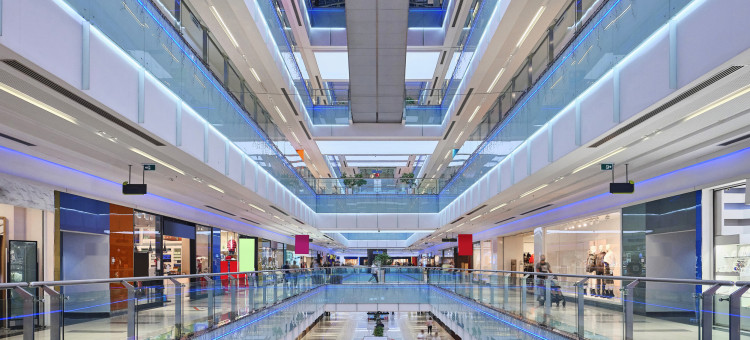

For years, many assumed that malls were nearing the end of their relevance. New consumer research points in the opposite direction. The American mall is adjusting to new expectations and attracting shoppers who want experiences that online retail cannot provide.
Accruent’s 2025 Retail Survey found that 70 percent of consumers want to see more traditional malls and 71 percent want more lifestyle centers that bring together stores, restaurants and entertainment. These spaces are returning as places to browse, try new brands, and spend time with others. They're also becoming destinations that reflect the culture and convenience of surrounding communities.
This trend fits within a broader return to in-person connection. A survey by IBM found that only 9 percent of respondents say they're satisfied with the in-store shopping experience, yet 73 percent say they prefer physical stores for shopping. Retailers that offer warm, inviting spaces can help to meet both the social and practical needs of this group.
Cleanliness and Care Set Expectations
While new digital features can enhance experiences, consumers continue to value basic elements that influence comfort and trust. Accruent’s research shows that 39 percent of shoppers notice cleanliness before anything else, even store layout or lighting. More than half have left a store that didn't meet their standards, and 42 percent have walked out because of unpleasant odors. Nearly four out of five have even exited a store due to poor conditions of some kind.
Cleanliness also affects loyalty. Accruent found that 86 percent of shoppers say a brand’s approach to maintenance shapes whether they will return, and almost half say the level of influence is significant. Shoppers view clean and organized spaces as a sign of quality. When upkeep slips, trust erodes quickly.
Shoppers Will Travel for Better Conditions
Many retailers believe convenience drives every visit, but the data suggests a more complex picture. Accruent’s survey found that 85 percent of consumers are willing to travel past their closest grocery store if another location is better maintained. Even in the convenience store category, where proximity matters most, 64 percent of shoppers say they will go farther for a cleaner store.
These findings show that upkeep now sits alongside price, assortment and convenience. Stores that feel bright, orderly and comfortable become preferred destinations. Facilities performance is becoming a direct contributor to customer experience and competitive position.
Maintenance Teams Shape First Impressions
A shopper’s understanding of a brand begins the moment they enter the physical space. Lighting, air quality, flooring, and restroom conditions all signal how committed the retailer is to quality. If these areas fall short, the overall experience cannot be rescued through promotions, displays, or pricing alone.
Maintenance teams are the centerpiece of this work. They support the systems and environments that keep stores safe and welcoming. Their ability to respond quickly to issues or prevent equipment failures often determines whether a store feels cared for. They also manage energy use, sustainability goals, and repair costs across multiple locations.
When maintenance data relates to store operations, retailers can improve decisions around repairs, preventive maintenance, and energy efficiency. This creates more reliable environments that strengthen brand perception.
Consumers Want Fresh Formats
Shoppers are also looking for variety. Accruent’s survey shows that 59 percent of consumers have visited a retailer specifically for a store-in-store concept such as Sephora at Kohl’s. This format adds novelty and allows multiple experiences in one visit. Consumers also want more local options. Thirty-four percent say they would visit malls more often if local shops were featured, and 39 percent would return more frequently for unique restaurants.
Looking Ahead
The next generation of standalone stores and malls will focus on comfort, cleanliness and connection. Physical retail offers a sense of place that online shopping cannot replicate. Accruent’s research makes it clear that upkeep now plays a major role in how shoppers evaluate brands. Clean, comfortable and consistently maintained spaces inspire trust and encourage repeat visits. Retailers that treat maintenance as a strategic discipline will be better positioned to keep customers returning.
Dave Harrington is global retail solutions architect at Accruent, a leading provider of solutions to unify the built environment.
Dave Harrington is the global retail solutions architect at Accruent, where he helps leading retailers modernize their operations and unlock greater value from their physical assets. With over 10 years at Accruent and deep expertise in retail technology and facility management, Dave partners with organizations worldwide to design solutions that improve efficiency, optimize store performance, and enhance customer experiences.