Costco Sues Trump Administration, Seeking Refund on Tariffs
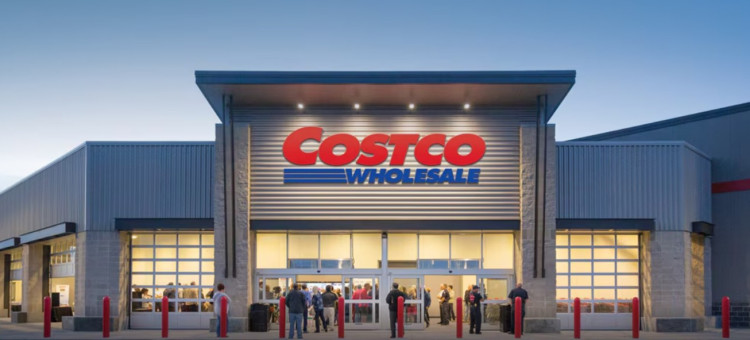

Costco is suing the Trump administration, alleging the tariffs the U.S. president imposed earlier this year were done unlawfully, and asking for a full refund of the tariffs already paid. In the lawsuit, filed last week in the United States Court of International Trade, Costco claims it might be difficult to receive a refund once its tariff bills have been finalized — a process called “liquidation’’ — by the Customs and Border Protection agency, a process Costco says will start Dec. 15.
President Donald Trump in February claimed he had authority under the 1977 International Emergency Economic Powers Act (IEEPA) to invoke tariffs on imports from several countries, a power normally limited to Congress. China and other countries retaliated with their own tariffs, creating a monthslong tariff war that left retailers scrambling to reassess their supply chains, suppliers, and pricing.
Lower courts have already ruled that Trump didn't have the authority to impose tariffs; the question was presented to the U.S. Supreme Court on Nov. 5, and while the court hasn't revealed its final ruling yet — and could always send it back to lower courts to review — several justices expressed skepticism on whether Trump was allowed to impose tariffs, according to CNBC.
It's unclear how much Costco has had to pay in tariffs since they went into affect this spring, but Goldman Sachs released data showing that businesses are absorbing about half the cost of tariffs and passing about 37 percent to consumers.
Total Retail's Take: Costco isn't the only business seeking its money back ahead of the Supreme Court ruling; Revlon, automotive supplier Valeo North America, EssilorLuxottica, Kawasaki, and Bumble Bee Foods have all filed similar lawsuits, according to court filings.
If the U.S. Supreme Court rules in the businesses' favor, the Trump administration may be forced to pay back a substantial portion of the roughly $200 billion it has collected in duties since the start of the year, according to The New York Times.
Whatever the outcome, retailers must be prepared for major implications when it comes to global procurement strategies, digital forecasting, and navigating legalities around tariffs.